


Table of Contents
- Key Points
- What Is Hyperhidrosis?
- Causes of Hyperhidrosis
- Common Types of Hyperhidrosis by Body Area
- Treatment Options for Hyperhidrosis
- When to See a Dermatologist
- Find Relief at Rogers Dermatology
- Frequently Asked Questions
- References
Key Points
- Hyperhidrosis, a chronic medical condition affecting a significant portion of the population, is caused by overactive sympathetic nerves or underlying health issues like thyroid disorders and medications.
- Treatment for hyperhidrosis follows a step-wise approach ranging from prescription antiperspirants and oral medications to Botox injections, iontophoresis, and surgery (for severe cases).
- Early evaluation by a dermatologist is important because effective treatments exist for all forms of the condition—including craniofacial, palmar, plantar, and axillary—and can significantly improve quality of life.
Sweating is a perfectly normal biological function—until it isn’t. For roughly 15.3 million Americans, or nearly 5% of the U.S. population, excessive and uncontrollable sweating is a daily reality that interferes with work, relationships, and overall quality of life.1 Perhaps even more striking, research suggests that only about half of those affected have ever discussed the condition with a healthcare professional, often because they assume no treatment exists.
The medical term for this condition is hyperhidrosis, and it is far more than a minor inconvenience. At Rogers Dermatology, we want patients throughout the Greenville area to understand that hyperhidrosis is a recognized medical condition and that effective, evidence-based treatments are available.
What Is Hyperhidrosis?
Hyperhidrosis is a chronic dermatological condition characterized by sweating that significantly exceeds the body’s thermoregulatory needs. While everyone sweats in response to heat, physical exertion, or stress, individuals with hyperhidrosis experience persistent, excessive perspiration that occurs regardless of temperature or emotional state. The sweating may be localized to specific areas of the body—most commonly the underarms, palms, soles of the feet, and face—or it may be more generalized.2
Clinically, hyperhidrosis is categorized as either primary or secondary:
- Primary focal hyperhidrosis is the most common form. It typically begins in childhood or adolescence, affects specific body regions symmetrically, and is not attributable to an underlying medical condition. Primary hyperhidrosis is thought to result from overactivity of the sympathetic nervous system.
- Secondary generalized hyperhidrosis develops as a result of another medical condition or as a side effect of medication. It tends to involve sweating across larger areas of the body and often has a later onset.
Understanding which type of hyperhidrosis a patient is experiencing is essential to determining the most appropriate course of treatment.
Causes of Hyperhidrosis
One of the most common questions patients ask is what actually triggers their excessive sweating. The answer depends on whether the condition is primary or secondary in nature.
The causes of hyperhidrosis in primary cases are not yet fully understood, though research points to a genetic predisposition combined with overactivity in the sympathetic nerves that control sweat glands. Studies suggest that individuals with primary hyperhidrosis do not have larger or more numerous sweat glands than average. Rather, the neural signals prompting those glands to activate are simply more frequent and intense.3
When examining hyperhidrosis causes in secondary cases, the list of potential contributing factors is broader and may include:
- Endocrine disorders such as hyperthyroidism or diabetes
- Menopause and hormonal fluctuations
- Infections, including tuberculosis and HIV
- Neurological conditions such as Parkinson’s disease or stroke
- Certain medications, including antidepressants, opioids, and hormonal treatments
- Obesity
- Anxiety disorders
Because secondary hyperhidrosis can signal an underlying health concern, a thorough medical evaluation is critical. A qualified dermatologist Greenville patients trust can help determine whether further diagnostic workup is warranted.
Common Types of Hyperhidrosis by Body Area
Hyperhidrosis does not present identically in every patient. The location of excessive sweating often dictates how it affects daily life and which treatment approaches are most effective.
Craniofacial Hyperhidrosis
 Craniofacial hyperhidrosis refers to excessive sweating of the face, forehead, and scalp. This form of the condition can be particularly distressing because it is highly visible and difficult to conceal. Patients with craniofacial hyperhidrosis may experience profuse sweating during routine social interactions, professional settings, or even while eating—a phenomenon known as “gustatory sweating” or Frey’s syndrome.4
Palmar Hyperhidrosis
Excessive sweating of the palms is one of the most functionally disruptive forms of the condition. Patients often report difficulty gripping objects, handling paperwork, using electronic devices, or shaking hands. Palmar hyperhidrosis frequently begins in childhood and can have a significant impact on self-esteem during formative years.5
Hyperhidrosis in Feet
Hyperhidrosis in the feet, also known as plantar hyperhidrosis, involves chronic excessive sweating of the soles. Beyond discomfort, this form of hyperhidrosis carries practical consequences, including increased susceptibility to fungal infections, blistering, and foot odor. Patients may find that standard footwear deteriorates quickly and that wearing open-toed shoes becomes a source of anxiety rather than relief.6
Axillary Hyperhidrosis
Underarm sweating is one of the most commonly reported forms of hyperhidrosis. Patients with axillary hyperhidrosis frequently describe soaking through clothing within minutes, regardless of the ambient temperature. This can lead to frequent wardrobe changes, avoidance of certain fabrics and colors, and social withdrawal.7
Treatment Options for Hyperhidrosis
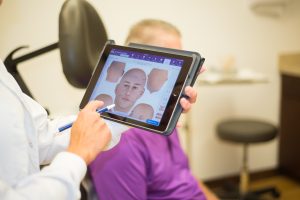 Effective management of hyperhidrosis often involves a tiered approach, beginning with conservative measures and progressing to more advanced interventions as needed. The best dermatologist in Greenville, SC, will tailor a treatment plan to the severity, location, and underlying cause of each patient’s sweating.
Topical Treatments
Prescription-strength antiperspirants containing aluminum chloride hexahydrate are typically the first line of intervention. These products work by temporarily blocking sweat ducts and are most effective for mild to moderate axillary, palmar, and plantar sweating. Newer topical options, such as glycopyrronium cloth wipes, have also been approved for primary axillary hyperhidrosis and offer a convenient, targeted approach.
Hyperhidrosis Medication
When topical treatments prove insufficient, systemic hyperhidrosis medication may be recommended. Oral anticholinergics—such as glycopyrrolate and oxybutynin—are some of the most commonly prescribed hyperhidrosis medications for generalized or multi-site sweating. These drugs work by inhibiting the neurotransmitter acetylcholine, which stimulates sweat glands. While often effective, anticholinergics can produce side effects such as dry mouth, blurred vision, and urinary retention, so they require careful monitoring.8
Other pharmacological options include beta-blockers and benzodiazepines, which may help patients whose sweating is exacerbated by anxiety or performance-related triggers. It is important to discuss the full range of available hyperhidrosis medications with your dermatologist to identify the safest and most effective option for your specific situation.
Botox for Hyperhidrosis
For patients who have not achieved adequate relief through topical or oral therapies, Botox for hyperhidrosis represents a highly effective next step. Botulinum toxin injections work by temporarily blocking the nerve signals that activate sweat glands in the treated area. The procedure is FDA-approved for axillary hyperhidrosis and is also used off-label with considerable success for palmar, plantar, and craniofacial sweating.9
A typical Botox for hyperhidrosis session involves a series of small injections across the affected area. Results generally become noticeable within a few days and can last anywhere from four to twelve months, depending on the patient. The procedure is performed in-office, requires no downtime, and is well-tolerated by most people.
Iontophoresis
Iontophoresis is a non-invasive treatment that uses a mild electrical current passed through water to temporarily reduce sweat gland activity. It is most commonly used for palmar and plantar hyperhidrosis and requires regular sessions—typically several times per week initially, transitioning to maintenance treatments.10
Hyperhidrosis Surgery
In severe cases that do not respond to conservative treatments, hyperhidrosis surgery may be considered. The most well-known surgical approach is endoscopic thoracic sympathectomy (ETS), which involves interrupting the sympathetic nerve signals responsible for excessive sweating.11
While ETS can be highly effective, particularly for palmar and craniofacial hyperhidrosis, it carries a significant risk of compensatory sweating—increased perspiration in other areas of the body. For this reason, hyperhidrosis surgery is typically reserved as a last resort, and patients should engage in a thorough discussion of risks and benefits with their provider before proceeding.
Other surgical options include localized sweat gland removal and microwave thermolysis, which uses electromagnetic energy to destroy sweat glands in the underarm area.
When to See a Dermatologist
If excessive sweating is disrupting your daily routine, damaging your clothing, or causing emotional distress, it is time to seek professional evaluation. As a Greenville SC dermatologist with decades of experience treating hyperhidrosis, we will work with you to assess the condition, rule out secondary causes, and develop a personalized treatment plan. Early intervention not only improves physical comfort but can also alleviate the anxiety and social isolation that often accompany the condition.
Find Relief at Rogers Dermatology
Living with hyperhidrosis can feel overwhelming, but you do not have to manage it alone. Whether you are dealing with excessive underarm sweating, craniofacial hyperhidrosis, hyperhidrosis in feet, or sweating across multiple body areas, the team at Rogers Dermatology is here to help.
As a trusted dermatologist Greenville patients rely on for comprehensive skin care, we offer a full spectrum of diagnostic and treatment options tailored to your individual needs. Contact our office today to schedule a consultation and take the first step toward lasting comfort and confidence.
Frequently Asked Questions
Is hyperhidrosis a serious medical condition?
While hyperhidrosis is not life-threatening, it is a recognized medical condition that can profoundly affect quality of life. Chronic excessive sweating is associated with higher rates of anxiety, depression, and social withdrawal. Additionally, secondary hyperhidrosis can indicate an underlying health issue that warrants medical attention. If excessive sweating is affecting your daily life, consulting with a dermatologist in Greenville is an important first step.
What triggers hyperhidrosis episodes?
While primary hyperhidrosis often occurs without a clear trigger, certain factors can worsen episodes. Common aggravators include heat, physical activity, emotional stress, spicy foods, caffeine, and alcohol. Understanding your personal triggers can help you manage the condition more effectively alongside medical treatment. Your dermatologist can help you develop strategies that address both the physiological and situational aspects of your sweating.
Can hyperhidrosis be cured permanently?
There is currently no universal cure for primary hyperhidrosis, but the condition can be managed very effectively with the right combination of treatments. Options like hyperhidrosis medication, Botox, iontophoresis, and microwave thermolysis can provide significant and lasting relief. Hyperhidrosis surgery offers the most permanent results but involves surgical risk and potential side effects that must be weighed carefully.
Does insurance cover hyperhidrosis treatment?
Many insurance plans cover hyperhidrosis treatments when the condition is documented as medically necessary. Prescription antiperspirants and oral medications are generally covered under standard pharmacy benefits. Botox for hyperhidrosis is often covered once a patient has demonstrated that first-line treatments were ineffective. Coverage for surgical interventions varies by plan. The team at Rogers Dermatology can assist with documentation and prior authorization to help maximize your benefits.
References
- James Doolittle, Patricia Walker, Thomas Mills, and Jane Thurston, “Hyperhidrosis: an update on prevalence and severity in the United States,” Archives of Dermatological Research, October 2016, https://pmc.ncbi.nlm.nih.gov/articles/PMC5099353/.
- “Hyperhidrosis,” Mayo Clinic, October 2024, https://www.mayoclinic.org/diseases-conditions/hyperhidrosis/symptoms-causes/syc-20367152.
- Jared Brackenrich and Christy F. Medeus, “Hyperhidrosis,” National Center for Biotechnology Information, National Library of Medicine, October 2022, https://www.ncbi.nlm.nih.gov/books/NBK459227/.
- “Gustatory Sweating (Frey’s Syndrome),” International Hyperhidrosis Society, retrieved on March 10, 2026, from: https://www.sweathelp.org/home/gustatory-sweating.html.
- “Sweaty Palms – Hyperhidrosis Treatment,” Baylor Medicine, retrieved on March 11, 2026, from: https://www.bcm.edu/healthcare/specialties/dermatology/excessive-sweating-options/sweaty-palms-treatment.
- “Plantar Hyperhidrosis,” The Center for Hyperhidrosis, Columbia University Medical Center, retrieved on March 12, 2026, from: https://www.hyperhidrosiscumc.com/plantar-hyperhidrosis/.
- Jason E. Sammons and Amor Khachemoune, “Axillary hyperhidrosis: a focused review,” Journal of Dermatological Treatment, November 2017, https://pubmed.ncbi.nlm.nih.gov/28318360/.
- “Anticholinergic Drugs,” Cleveland Clinic, December 2024, https://my.clevelandclinic.org/health/treatments/anticholinergic-drugs.
- Eve M. Glazier, MD, and Elizabeth Ko, MD, “Botox injections one way to treat hyperhidrosis sweating,” UCLA Health, March 2023, https://www.uclahealth.org/news/article/botox-injections-one-way-treat-hyperhidrosis-sweating.
- “Iontophoresis,” MedlinePlus, National Library of Medicine, June 2024, https://medlineplus.gov/ency/article/007293.htm.
- Fernando Vannucci and José Augusto Araújo, “Thoracic sympathectomy for hyperhidrosis: from surgical indications to clinical results,” Journal of Thoracic Disease, April 2017, https://pmc.ncbi.nlm.nih.gov/articles/PMC5392541/.